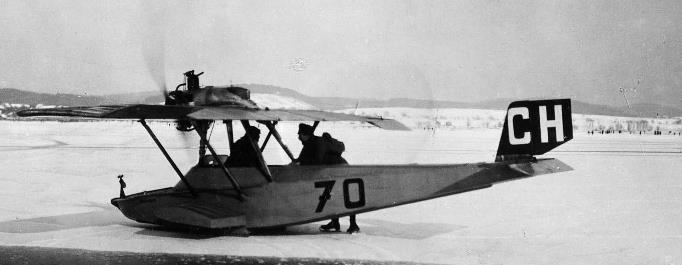
Type Werk.Nr Registration History
Libelle I CH 70 First flight 16/8 1921, prototype
Libelle I 32 D-209
Libelle I D-274
Libelle I 5 - 38 D-275, S-ANAA Sh 5 engine. Sold to Sweden. Owner Örebro Flygaktiebolag from 30/7 1923, crashed 6/7 1926
Libelle I 6 - 39 D-326
Libelle I 7 - 40 D-327
Libelle I 8 - 41 D-328
Libelle I 53 D-352 Sh 5 engine
Libelle II
61 D-907 Sh 11 engine. To Sportflug GmbH
Libelle II 101 D-1065, ZK-ABI Sh 11 engine.  Aerial Services Ltd 15.11.29  Crashed in sea off Milford Beach Auckland 13/12 1929
Libelle II 117 VQ-FAB Ordered 1929 by Fiji-Builders Ltd., delivered 1930. Damaged in a hurricane in March 1931 Restored, placed in the Deutsche Museum, Münich
Type Libelle I  1 + 2 seat  flying boat Libelle II  1 + 2 seat  flying boat
Engine 1 Siemens Sh 4 1 Siemens Sh 5
Dimensions Length 7.18 m, height 2.27 m, span 8.50 m, wing area 14.00 m2 Length 7.50 m, height 2.40 m, span 9.80 m, wing area 15.50 m2 
Weights Empty 420 kg, fuel 42 kg, oil 10 kg, load 220 kg, flying weight 640 kg Empty 475 kg, fuel 42 kg, oil 10 kg, load 275kg, flying weight 750 kg 
Performance Max. speed at sea level 120 km/h, cruising speed 100 km/h, service ceiling 1600 m, range 300 km, landing speed 80 km/h Max. speed at sea level 145 km/h, cruising speed 120 km/h, service ceiling 2700 m, range 280 km, landing speed 85 km/h
Type Libelle II  1 + 2 seat  flying boat Libelle II  1 + 2 seat  flying boat
Engine 1 Blackburn Cirrus 1 Bristol Lucifer
Dimensions
Weights
Performance
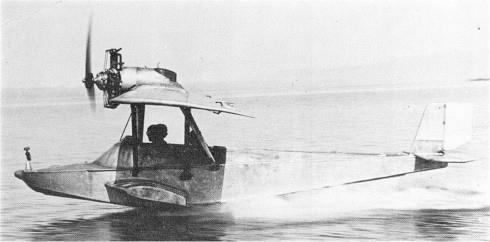
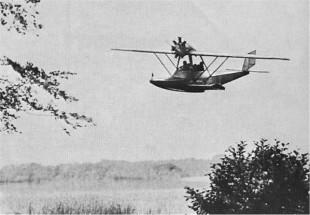
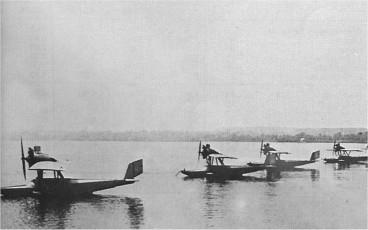
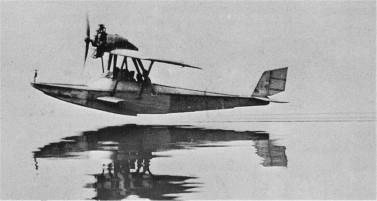
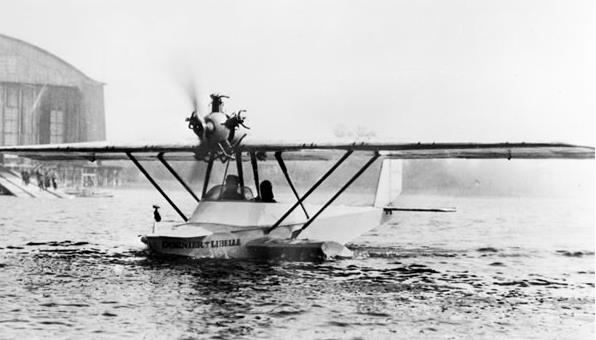
Under the designations Dornier Do A, Libelle I, and II, the aircraft manufacturer Dornier Metallbauten, based in Manzell on Lake Constance, built a total of 14 single-engine flying boats between 1921 and 1929. Most of these were exported, including to Sweden, Brazil, New Zealand, Australia, Japan, and Fiji. Two additional aircraft were manufactured by CMASA in Marina di Pisa.[2] Due to their size, the Libelle was the ideal means of transport for areas with abundant waterways, as it could land and take off even on small lakes and rivers.
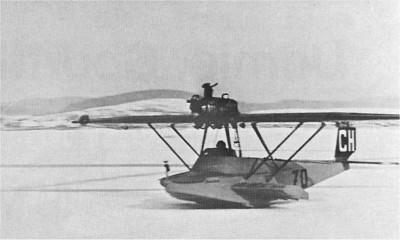
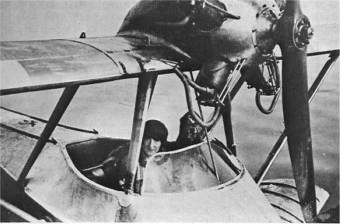
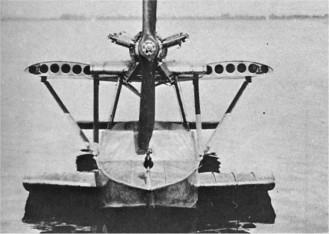
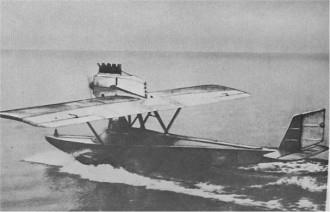
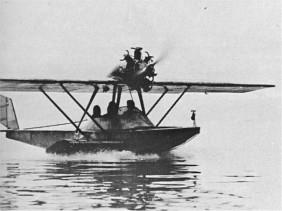
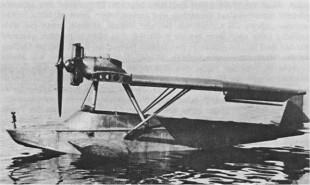
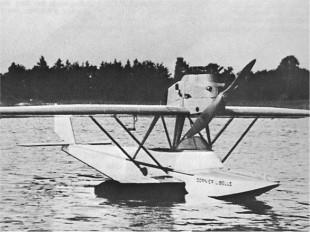
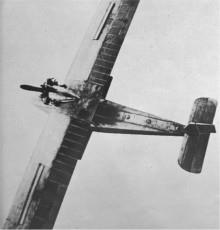
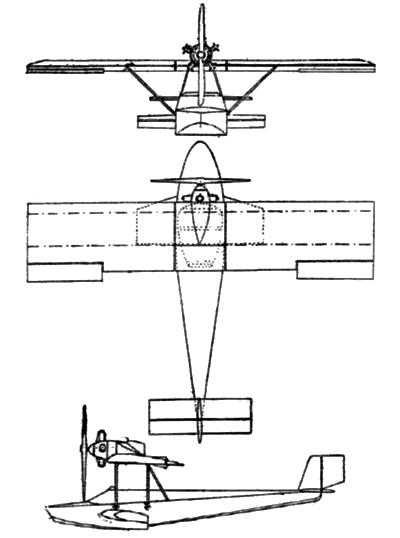
The Libelle was a high-wing monoplane of all-metal construction, with fabric covering on the rear wing and control surfaces. The shallow-keeled fuselage, featuring a step, was divided into several compartments and had the patented Dornier fin stubs on both sides for buoyancy. Steel skids built into the keel enabled takeoffs and landings on snow or ice.[3] Three seats were housed in the hull below the wing: two in the front, side-by-side with dual controls, and the third behind. The three-part wing structure consisted of a central section mounted on canopy struts, which also housed the engine. Attached to this were the two outer wings, each supported by two struts for connecting the fin stubs. The wing halves could be folded back for transport and storage. Power was provided by a 55 hp five-cylinder Siemens & Halske Sh 4 radial engine with a two-bladed wooden propeller. Fuel, stored in the fuselage, was pumped by the airflow into a gravity-fed tank located behind the engine.

The first flight of serial number (Wnr.) 31 (without a registration number) took place on August 16, 1921. Six more of this version were built and registered with the registration numbers D-326 (serial number 32), D-327 (36), D-352 (37), D-275 (38, which went to Sweden and was powered by a Siemens & Halske Sh 5 engine), D-274 (39), and D-328 (40).

Modifications to the Libelle II
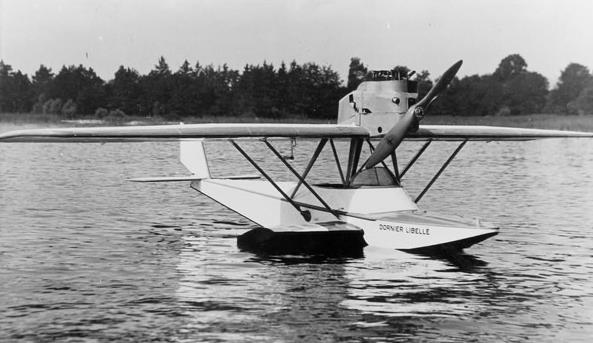
This model had a largely identical design to the Libelle I; however, it featured an extended nose to better protect the crew from spray. With the same seating arrangement for the three occupants, the controls at the right-hand seat could be disengaged using a clutch. The wingspan was increased by 1.3 meters. The wings were also foldable. Two more powerful engines were now available: the English four-cylinder inline Blackburn Cirrus Mk III or the seven-cylinder radial Siemens Sh 11, both producing 85 hp.
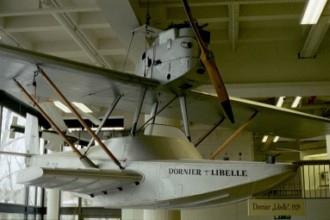
This model had a largely identical design to the Libelle I; however, it featured an extended nose to better protect the crew from spray. Of the seven Libelle II flying boats built, only one, D-907 (61), remained in Germany with Sportflug GmbH. Apart from serial number 54, which went to Japan, all the others (serial numbers 101 to 104 and 117) were exported to the aforementioned countries. One of these, heavily corroded, was discovered in Fiji in 1978, brought back to Germany, and restored for display.[4]

A land-based version of the Libelle II, equipped with wheeled landing gear and designated Spatz (serial number 41), was also developed in 1922. However, the only example built was so badly damaged during its initial flight test that it had to be scrapped.